
Physical Therapy in Hermosa Beach: A Complete Guide to Recovery, Pelvic Health, and Performance
Life in Hermosa Beach moves. You run the Strand, paddle out at sunrise, chase toddlers along the sand, or train for your next race. So when pain, pregnancy changes, or a lingering injury slows you down, it can feel frustrating and isolating.
Maybe you have already tried a busy clinic where you were rushed through a visit and handed a generic sheet of exercises. Maybe you were told that leaking, pain with sex, or pelvic pressure was just something to live with. You deserve better than that.
This guide walks you through what physical therapy in Hermosa Beach can look like when it is personal, thorough, and compassionate. You will learn how a boutique clinic differs from a high-volume one, which conditions physical therapy can help, and what to expect when you start. At Hey Babe Wellness, we built our practice around listening first and treating the whole person, not just the symptom.
Why Choose Boutique Physical Therapy in Hermosa Beach?
Not all physical therapy feels the same. The setting, the length of your visit, and the person treating you all shape your results.
One Hour, One Provider, Zero Double Booking
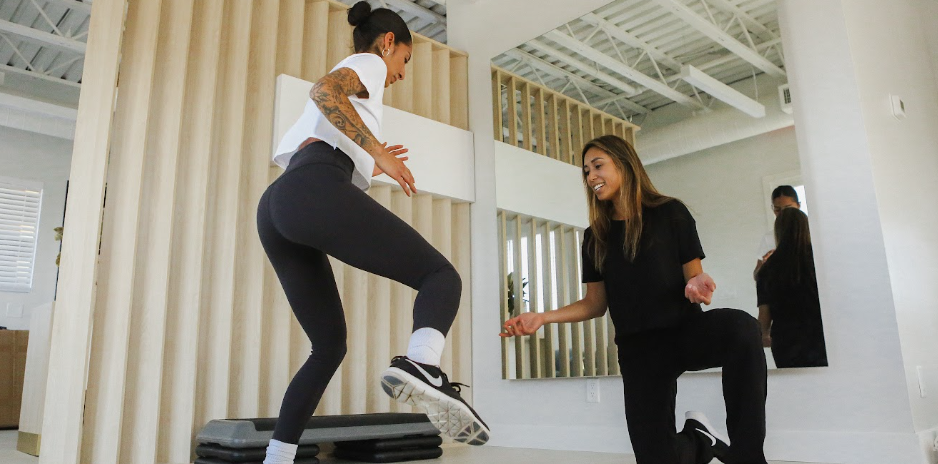
At Hey Babe Wellness, every session is a full hour, one-on-one, with one of our doctors of physical therapy. We do not double book. We do not hand you off to an aide or assistant. That hour is made for you.
This matters because complex problems need time. A pelvic floor dysfunction concern, a stubborn shoulder, or a postpartum body that feels unfamiliar all require a careful history, a thorough exam, hands-on treatment, and clear teaching. Rushed care often misses the connections between your symptoms.
Care That Treats the Whole Person
Your symptoms rarely exist in isolation. Hip pain may connect to pelvic floor tension. Neck pain may connect to how you breathe or how you sit at work. Your doctor of physical therapy looks at the full picture and builds a plan around your body, your history, and your goals.
We also practice radical inclusivity. Our clinic honors all gender identities, backgrounds, and bodies. You should feel safe, respected, and heard from the moment you walk in. We use "people" and "all genders" intentionally, because this space is for everyone.
You can learn more about our values and team on our About page.
What Is Pelvic Health Physical Therapy, and Who Needs It?
Pelvic health physical therapy focuses on the muscles, connective tissue, and nerves of the pelvis, hips, and core. These structures support your bladder, bowel, and reproductive organs. They also play a role in posture, breathing, and sexual function.
Many people wait years before asking for help. Symptoms like leaking or pain are common, but common does not mean normal, and you do not have to accept them. Research and clinical guidelines support pelvic floor muscle training as a first-line approach for several types of urinary incontinence.
Pelvic Conditions We Treat
Your doctor of physical therapy can help with:
- Incontinence: leaking when you cough, laugh, jump, or feel a sudden urge
- Prolapse: pressure, heaviness, or a bulging sensation in the pelvis
- Painful intercourse: pain with penetration or afterward
- Pelvic pain: ongoing discomfort in the pelvis, hips, low abdomen, or lower back
- Diastasis recti: separation of the abdominal muscles, often noticed during or after pregnancy
- Endometriosis pain support: help managing muscle tension, pain patterns, and function alongside your broader medical care
What Pelvic Floor Treatment Involves
Treatment may include breathwork and diaphragmatic training, therapeutic exercise, manual therapy, myofascial release, and pelvic floor internal techniques when appropriate. Internal work is always explained first, done with your consent, and paced to your comfort. You stay in control of every step.
Some people need strengthening. Others need to learn how to relax and lengthen tight muscles. A thorough exam tells us which approach fits you, which is why one-size-fits-all programs so often fall short.
How Does Physical Therapy Support Pregnancy, Postpartum, and Menopause?
Your body changes dramatically across these life stages. Physical therapy can help you feel stronger and more comfortable through each one.
Prenatal Support
Pregnancy shifts your center of gravity, loosens ligaments, and places new demands on your back, hips, and pelvic floor. Prenatal physical therapy can help you:
- Manage low back, hip, and pelvic pain
- Learn how to coordinate your breath and pelvic floor
- Adjust exercise and daily movement safely
- Prepare your body for labor and recovery
Postpartum Recovery
The weeks and months after birth are not just about "bouncing back." Your core, pelvic floor, and posture all need time and guided rehab. Postpartum care may address diastasis recti, leaking, pelvic pain, painful intercourse, and a gradual return to exercise or running.
If you feel pain, heaviness, or weakness that does not improve, you do not need to wait for a set number of weeks to ask for help.
Menopause and Women's Hormonal Health
Perimenopause and menopause can bring changes in muscle mass, joint comfort, sleep, and pelvic health. Strength training, balance work, and pelvic floor care can help you stay active and confident through this stage. Resistance training in particular is widely recommended for maintaining muscle and bone health as we age.
Can Physical Therapy Help With Orthopedic and Spine Pain?
Yes. Orthopedic physical therapy is the foundation of the profession, and it remains one of the most effective ways to address pain and limited movement without relying on a quick fix.
Common Spine Concerns
We treat low back pain, mid back pain, neck pain, sciatica, scoliosis, and postural issues. If you sit at a desk most of the day, we can also help with ergonomics and the habits that keep your pain going.
Common Joint and Extremity Concerns
Your plan may focus on:
- Shoulder: pain, impingement, rotator cuff problems, and frozen shoulder
- Elbow, wrist, and hand: tennis elbow, golfer's elbow, carpal tunnel, and wrist or finger pain
- Hip and knee: hip pain, labral tears, hip impingement, runner's knee, meniscus injuries, and ACL recovery
- Foot and ankle: plantar fasciitis, Achilles tendinopathy, and ankle sprains
We also support recovery after a procedure or surgery, as well as prehab if you want to prepare your body before a season or surgery.
To see the full range of what we offer, visit our Services page.
How Can Sports Physical Therapy Help You Move and Perform Better?
Whether you run, lift, surf, play volleyball, or just want to stay active, performance care goes beyond treating an injury. It helps you understand why it happened and how to prevent it from happening again.
Testing That Guides Your Plan
Objective testing takes the guesswork out of recovery. Depending on your goals, your doctor of physical therapy may use:
- Movement screen: to spot imbalances, stiffness, or control problems
- Running gait analysis: to look closely at how your body handles the demands of running
- Running form assessment: to identify habits that may add stress to your joints or tissues
- Return-to-sport testing: to check whether your strength, control, and confidence are ready for your activity
Training That Builds Resilience
Your plan may include resistance training, balance and proprioception training, neuromuscular re-education, plyometrics, and return-to-sport progressions. These steps rebuild capacity gradually, so you return to activity with a stronger foundation instead of simply feeling "good enough."
If you are a parent returning to running after your baby, this approach is especially helpful. We can address your pelvic floor, core, and running mechanics together.
What Does Physical Therapy Offer for Concussion, Headaches, and Dizziness?
Head and neck symptoms can be exhausting. Headaches, migraines, dizziness, and trouble focusing can disrupt your work, your sleep, and your mood.
Vestibular and Neuro Rehab
If you feel dizzy, off balance, or visually overwhelmed, your plan may include:
- Gaze stabilization training
- Oculomotor and visual tracking therapy
- Vestibular balance training
We also address neck-related contributors to headaches, including joint stiffness, muscle tension, and posture. Orofacial pain and myofunctional concerns can also be part of the conversation.
Does Physical Therapy Help Infants and Children?
It can. Your baby and your kids have unique needs, and early support often makes a meaningful difference for families.
We work with infants on concerns such as torticollis, plagiocephaly (flat head syndrome, pronounced play-jee-oh-SEF-uh-lee), and birth trauma. We also offer feeding and oral motor assessment, along with tummy time and motor milestone coaching to help parents feel confident at home. Think of it as guided play with a clinical purpose.
For older children, support may include gross motor delays, sensory processing and nervous system regulation, growing pains, Sever's disease, Osgood-Schlatter disease, and youth sports performance. Teen athletes can benefit from injury prevention and return-to-sport care too.
Because our approach ties developmental PT to play and is family-friendly and educational, you leave knowing what to do between visits.
Men's Health and Male Pelvic Floor Dysfunction
Pelvic floor dysfunction is not just a women's health issue. Male pelvic floor dysfunction is real, common, and very treatable, and yet most guys never hear that physical therapy can help.
If you are dealing with pelvic pain, urinary leaking or urgency, pain with sitting, or discomfort that has been brushed off, we want to talk. We work with people of all genders, and we approach men's health with the same directness, respect, and clinical care we bring to every visit. Internal assessment is always explained clearly, done only with your full consent, and paced entirely to your comfort.
You do not have to just live with it.
What Treatments Will You Receive?
Your plan is built from the tools that fit your diagnosis, comfort level, and goals. Nothing is applied automatically.
Hands-On Techniques
- Manual therapy and joint mobilization
- Myofascial release and soft tissue mobilization
- Trigger point therapy
- Instrument-assisted soft tissue mobilization (IASTM), including Graston
- Cupping and scraping
- Assisted stretching and massage therapy
Movement and Rehab Strategies
- Therapeutic exercise and mobility work
- Resistance training
- Balance and proprioception training
- Breathwork and diaphragmatic training
- Neuromuscular re-education
- Taping, including KT and athletic taping
- Electrical stimulation (TENS or NMES) and ultrasound when appropriate
Hands-on care can calm symptoms, but lasting change usually comes from active strengthening, movement retraining, and education. That is why every visit with us blends treatment and teaching.
What Should You Expect at Your First Visit?
Starting something new can feel intimidating, especially if you have felt dismissed before. Here is what the process looks like.
- A free 15-minute phone consultation. You share your concerns, ask questions, and find out whether physical therapy is the right next step. Are we hitting it off? Great.
- A full one-hour evaluation. Your doctor of physical therapy listens to your story, reviews your history, and performs a thorough exam, which may include movement testing or pelvic health assessment.
- A personalized plan. You and your doctor of physical therapy agree on goals and a clear roadmap. Your plan is based on current research and shaped around your life.
- Ongoing one-on-one sessions. Each visit combines treatment, exercise, and education, and your plan evolves as you improve.
- Tools for the long term. You leave with the knowledge and strategies to manage symptoms and prevent setbacks.
We also care about our community. Our team has paid hours set aside for workshops, advocacy, and public education, because understanding your body should not be a privilege.
Ready to Get Started With Physical Therapy in Hermosa Beach?
You do not have to keep pushing through pain, leaking, pressure, or uncertainty. Whether you are pregnant, postpartum, navigating menopause, recovering from an injury, supporting your baby's development, or chasing a new personal best, you deserve a provider who gives you time and treats you like a whole person.
Hey Babe Wellness is here to listen, explain, and guide you toward the strength and comfort you want. Book your free 15-minute phone consultation today, or visit our Home page to Get Started. You can also explore more educational articles on our Blog.


